

When winter sets in, many homeowners face unique challenges brought on by snow and freezing temperatures. One of the most problematic winter roofing issues is the formation of ice dams. If you’re not aware of what ice dams are or just how much damage they can cause, it’s time to find out why paying attention to this issue is crucial for protecting your home.
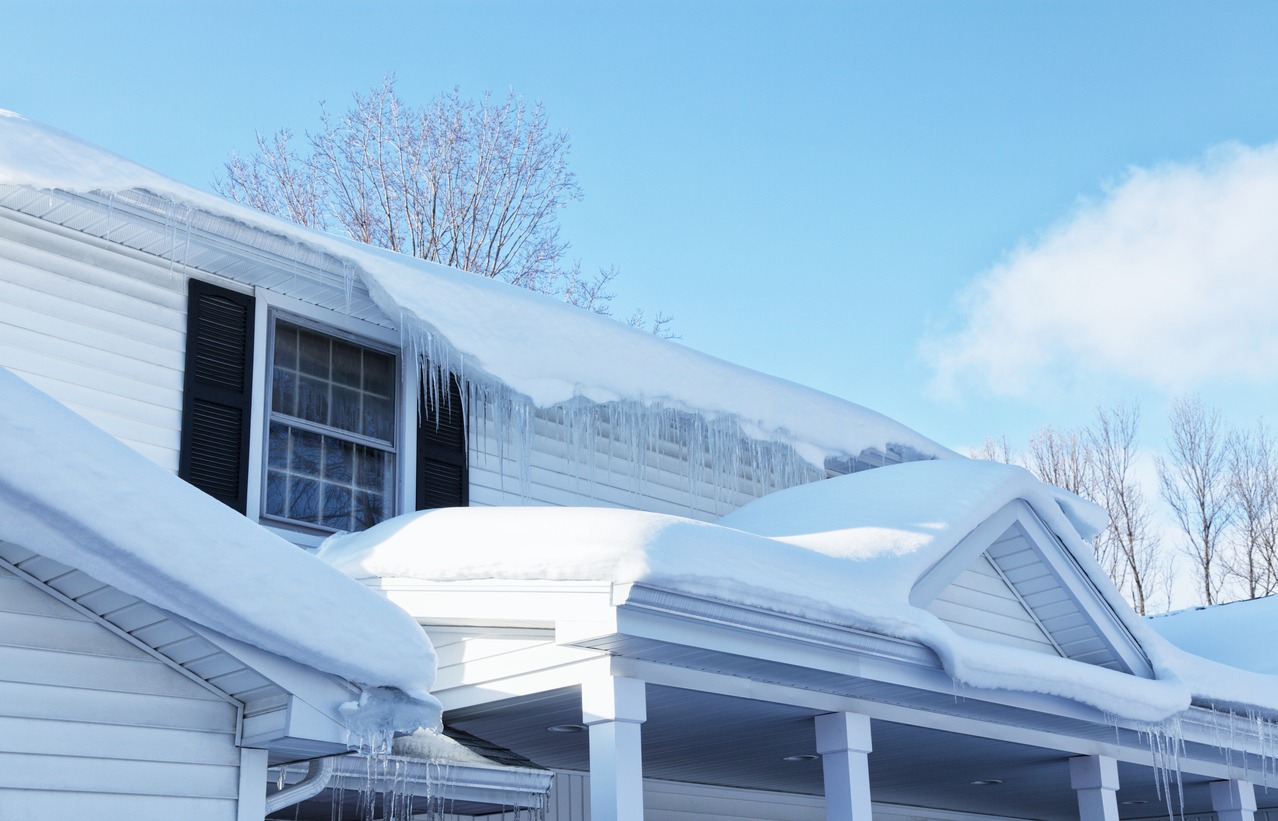
What Are Ice Dams?
Ice dams form when water from melting snow on your roof refreezes near your roof’s edge before it can drain into your gutters. This typically happens because heat escaping through the attic warms the upper portions of your roof, while the overhang remains cold enough to freeze the melted water. Over time, as more snow melts and refreezes, thick ridges of ice build up along the eaves.
Why Are Ice Dams a Serious Concern?
Ice dams are not just a cosmetic problem. When ice blocks water from running off the roof, that water can get forced under your shingles. This leads to leaks, water staining on ceilings and walls, and potentially hazardous mold growth. If left unaddressed, the freeze-thaw cycle can severely damage roof decking, insulation, and even the interior of your home. In Brighton and the surrounding areas of West Tennessee, where winter weather patterns can include sudden cold snaps, ice dams can develop quickly and cause significant headaches for property owners.
How Do Ice Dams Affect Your Roof and Home?
When ice dams take hold, several issues can develop:
-
Water leakage into the attic and living areas
-
Compromised insulation performance
-
Peeling paint and damaged drywall
-
Structural wood rot along fascia boards and attics
The presence of ice dams can also place extra weight and stress on your gutters and gutter guards, causing them to pull away from the house or break. Over time, recurring water intrusion from ice dams is one of the primary causes of premature roof failure and significant indoor air quality issues.
How Can You Prevent or Remove Ice Dams?
The best solution is taking proactive measures so that ice dams don’t develop in the first place. Here are some common strategies to consider:
-
Attic insulation and ventilation improvements: Keeping your attic evenly cold lessens the chances of snow melting and refreezing on your roof.
-
Timely snow removal: Using a roof rake immediately after snowfall can help minimize the amount of snow that melts and refreezes along roof edges.
-
Professional roof inspection and maintenance: Having your roof, gutters, and flashing checked by a roofing professional ensures that drainage systems work properly, and insulation is sufficient for the Brighton climate.
Trying to chip away ice dams yourself or using salt-based solutions can end up damaging shingles and gutters. For comprehensive and safe removal, it’s best to contact a local roof repair or roof replacement service that understands the unique weather conditions in your area.
Contact Bennett Roofing and Restoration for Ice Dam Solutions in Brighton, TN
If you notice signs of ice dams like icicles forming along your eaves or water spots on your ceilings, don’t wait. Bennett Roofing and Restoration serves Brighton, TN and the surrounding area with prompt, professional support. Whether you need emergency roof repair or a whole home roof replacement, the team is ready to respond during the toughest Tennessee winters. Call Bennett Roofing and Restoration today at (901) 359-9708 or fill out our online form to request a free onsite visit.


Leave a Reply